Small aircraft. Big questions. We're exploring how radar can help people detect, follow, and understand small uncrewed aircraft in the airspace around them.
FOCUS / SMALL AIRCRAFT DETECTION & TRACKINGSTAGE / PROTOTYPE RESEARCH
From a signal to a useful picture.
Counter-UAS begins with awareness: knowing that a small uncrewed aircraft may be present, where it is moving, and how much confidence to place in that information.
Endless Loop's prototype research explores radar sensing and the software that makes those observations useful. Our interests include detection, continuity of tracking, and clear information for the person watching the airspace.
The aim is practical early awareness. Small radar signatures and difficult surroundings push detection technology towards its limits. Finding inventive ways through those constraints is exactly the kind of problem Endless Loop works on.
RANGE / PUTTING THE NUMBERS IN CONTEXT
The range depends on what's out there.
Radar cross section describes how strongly an object reflects radar energy back towards the sensor. It matters as much as physical size.
RADAR RANGE
45 km
The radar's nominal range provides the wider context. Useful detection distance depends on the object and the conditions.
INDICATIVE DETECTION RANGES
Crewed aircraft
Tens of kilometres
Larger drones
Approx. 3–5 km
Small drones
Around 1 km or less
Smaller radar signatures bring the useful sensing distance much closer to home.
These are indicative estimates, not validated prototype specifications or guaranteed ranges. Radar cross section, viewing angle, flight path, terrain, clutter, weather, and installation affect performance. Detection does not guarantee tracking, classification, discrimination, or identification at the same distance.
FROM DETECTION TO UNDERSTANDING
A contact is only the beginning.
Each task asks something different of the available information. Their useful ranges depend on the radar signature, conditions, and required confidence.
01Detect
Establish that an object is present amid background returns and noise.
02Track
Follow its position and movement consistently over time.
03Classify
Estimate the broad category of object, such as an aircraft, drone, or bird.
04Discriminate
Distinguish relevant objects from other returns and separate nearby contacts.
05Identify
Establish more specifically what the object is, where sufficient evidence is available. This may require information beyond radar alone.
EL / RESEARCH NOTE 007
WHAT ENDLESS LOOP BRINGS
Difficult detection. Inventive thinking.
The limits of detection are the challenge. Endless Loop brings software, AI, and hands-on prototyping together to investigate new ways to improve awareness, track continuity, and confidence in difficult sensing conditions.
This programme is in the prototype phase. The detailed design, methods, and development work remain confidential.
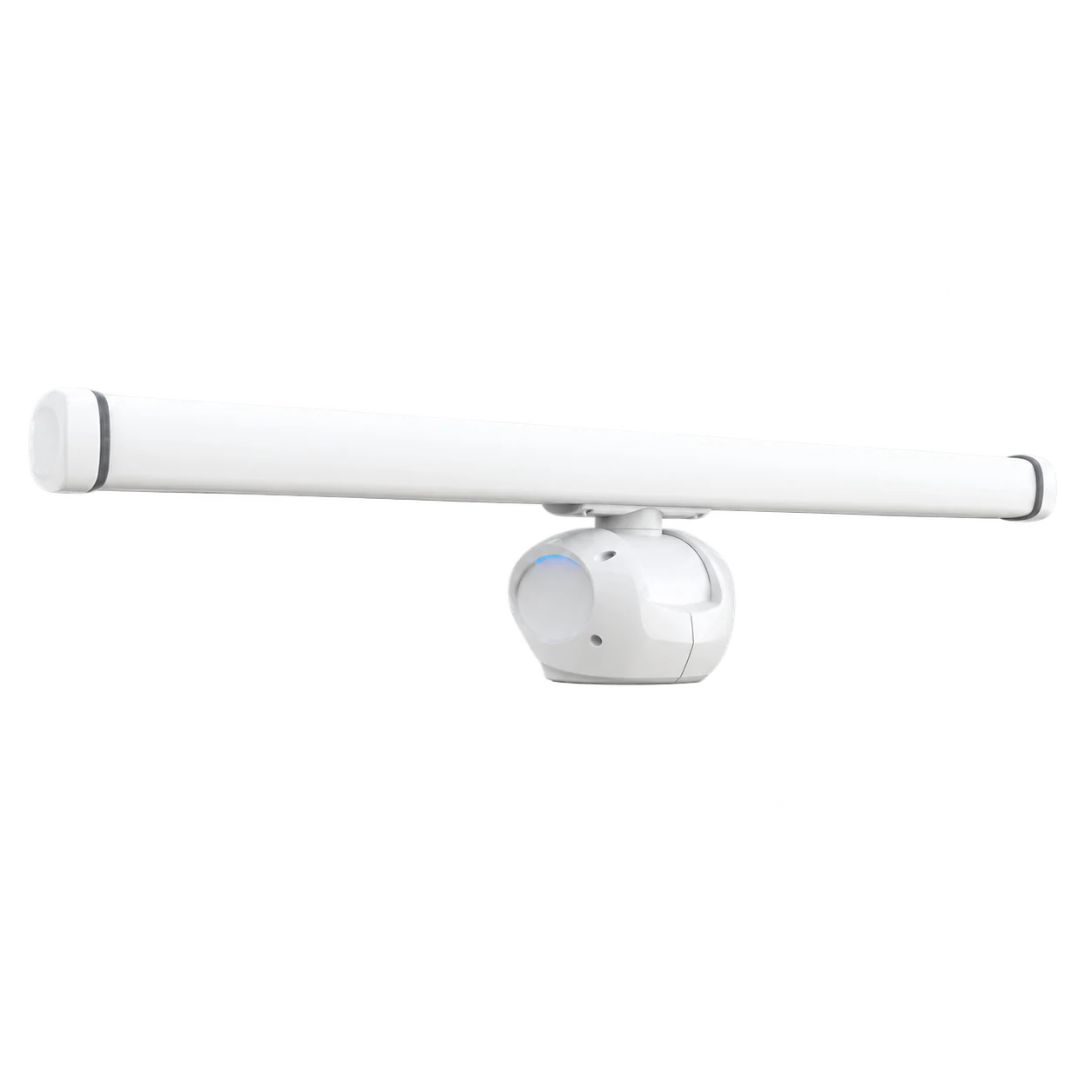
The HALO-6 image is an edited hardware reference, not a photograph of the Endless Loop prototype. It does not imply manufacturer affiliation or endorsement.